The transformation of the railway sector does not depend solely on the development of new materials or more advanced technologies. Behind every innovation lies one essential element: the people capable of designing, manufacturing, validating and maintaining it.
The introduction of composite materials, new manufacturing processes and industrialisation methodologies is changing the way in which railway vehicles are developed. This technological evolution demands increasingly highly qualified professionals and training that is aligned with the industry’s real needs. education alineada con las necesidades reales de la industria.
In this context, FIDAMC combines its expertise in research, development and innovation with a wide range of training programmes to help railway companies meet the challenges of future mobility.
A constantly evolving sector
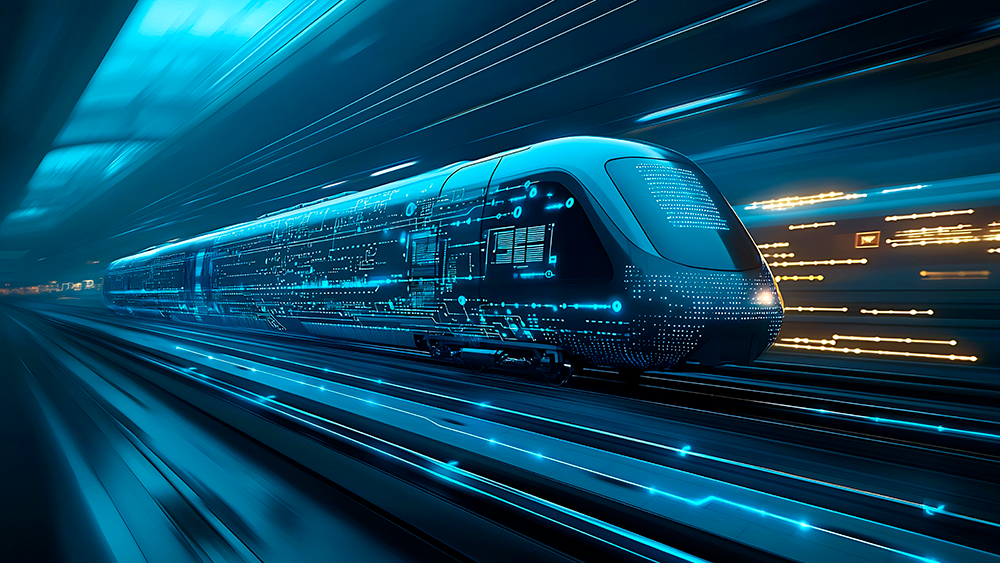
The railway industry is undergoing a continuous process of innovation. Reducing the weight of trains, improving energy efficiency, optimising manufacturing processes and using advanced materials are shaping the future of rail transport.
Composite materials are playing an increasingly important role in this context, as they enable the development of lighter and stronger components, helping to improve the dynamic performance of rolling stock and reduce the impact on infrastructure.
However, realising the full potential of these technologies requires professionals capable of working with new materials, processes and manufacturing systems.
Industry-linked training
One of FIDAMC’s key distinguishing features is that its training programmes are rooted in the experience gained from real-world R&D&I projects.
As a leading centre for composite materials and advanced manufacturing, FIDAMC channels this knowledge into training programmes designed to meet the current needs of sectors such as rail, aeronautics, shipbuilding, renewable energy and sport.
This link between research, development and training enables engineers, technicians and operators to acquire skills that are directly applicable to their professional practice.
Learning with real technologies
Technical training is far more effective when the knowledge gained can be applied to industrial equipment and processes.
For this reason, FIDAMC operates a specialised training centre where participants work with technologies currently used in industry, including composite manufacturing processes, automation, additive manufacturing, testing, digitalisation and robotics.
This highly practical approach facilitates the acquisition of new skills and accelerates companies’ adaptation to technological changes.
Training to tackle the challenges of the railway sector
Railway companies need professionals who are equipped to work with increasingly advanced materials and processes.
FIDAMC develops programmes tailored to the needs of each organisation, which may cover areas such as: thermoset and thermoplastic composite materials, manual and automated manufacturing processes, structural design and analysis, physical, mechanical and non-destructive testing, quality control, additive manufacturing, digitalisation and robotics applied to industry.
Thanks to this bespoke approach, companies can train both their engineering teams and their manufacturing and maintenance staff, ensuring that the entire organisation keeps pace with technological advancements.
FIDAMC’s expertise at the service of the rail sector
In addition to its training activities, FIDAMC participates in innovation projects for the rail sector aimed at developing solutions using composite materials and reducing the weight of structural components.
Notable among these initiatives are collaborations with leading companies such as Talgo, where the application of advanced materials has contributed to research into new solutions to improve the efficiency and performance of rail vehicles. This practical experience in real-world projects enables high-value knowledge to be transferred into training programmes, linking research with the needs of industry.
Training today to transform the mobility of tomorrow
Technological innovation only has a real impact when people have the necessary knowledge to apply it.
For this reason, training has become a strategic element for the future of the railway sector. Developing new capabilities in composite materials, advanced manufacturing and industrial processes will enable companies to tackle the challenges of more efficient, sustainable and competitive mobility with greater confidence.
At FIDAMC, research, innovation and training form part of a single vision: to drive knowledge forward to accelerate the evolution of the railway industry and prepare the professionals who will make the railway of the future a reality.
 English
  Spanish